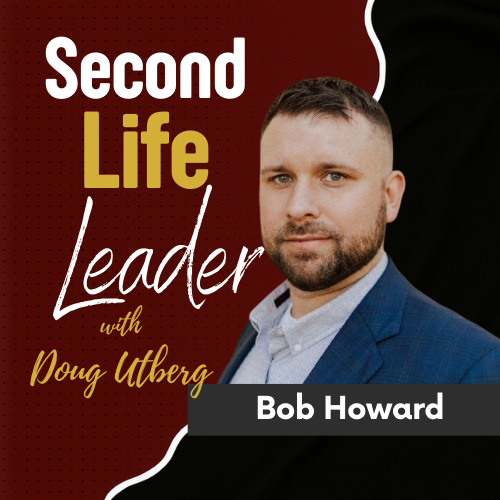
Marine veteran and recruiting entrepreneur Bob Howard joins me to unpack a simple but brutal metaphor: “If you get dead, walk it off.”
It’s a line Marines joke about with each other — part dark humor, part survival mindset. But it’s also an accurate description of what career transitions often feel like.
In this conversation, Bob and I walk through the realities behind one of the most misunderstood roles in the military: Marine Corps recruiting. On the surface, recruiters look polished and professional. Behind the scenes, the job is a relentless sales environment with uncompromising quotas, long nights, and constant pressure to perform.
Bob spent years navigating that system while also dealing with the unexpected reality that his own Marine Corps career would end sooner than expected due to injury. That meant managing the demanding recruiting pipeline while simultaneously trying to figure out how to transition into civilian life on a compressed timeline.
We unpack what that pressure looks like from the inside: selling one of the toughest military commitments to skeptical teenagers and their parents, operating under strict eligibility standards, and hitting monthly quotas where past success doesn’t buy you future forgiveness.
But the conversation goes deeper than military recruiting.
Bob shares how the consultative selling skills he learned in the Marine Corps became the foundation for his civilian career in recruiting and talent consulting. Understanding motivation, asking better questions, and aligning offers with what people actually want — those lessons translate far beyond military service.
We also explore the psychological reality of career transitions. Many professionals assume organizations will take care of their long-term path. The truth is more uncomfortable: no one manages your career better than you.
Bob’s story highlights the messy middle between structured institutions and the unpredictable civilian world — a period filled with hard lessons, misaligned expectations, and eventually, reinvention.
This episode isn’t about military nostalgia.
It’s about resilience, adaptability, and learning how to rebuild direction when the plan you thought you had suddenly disappears.
The lesson isn’t pretending the hit didn’t happen.
It’s learning how to stand back up and keep moving.
TL;DR
• Marine Corps recruiting is one of the most demanding sales jobs in the military
• Recruiters operate under strict quotas and relentless monthly performance pressure
• Military career transitions often happen faster than expected
• Consultative selling skills translate directly into civilian entrepreneurship
• Understanding what people truly want is the core of effective sales
• Many professionals assume organizations will manage their career paths
• The reality: long-term career responsibility belongs to the individual
• Reinvention often comes from adapting hard-earned skills to new environments
Memorable Lines
“If you get dead, walk it off.”
“Past performance doesn’t buy you forgiveness in recruiting — every month starts at zero.”
“No one will ever take care of your career better than you.”
“Understanding what motivates someone is the key to selling anything.”
“Preparedness isn’t about predicting the future — it’s about being ready when it changes.”
Guest
Bob Howard — Founder of Magic Talent Solutions
Former Marine Corps recruiter turned talent consultant helping professionals and companies navigate hiring, career development, and interview preparation.
🔗 https://magictalentsolutions.com
🎙 Podcast: Cammies to Cackies
Why This Matters
Career transitions rarely happen on comfortable timelines.
In today’s economy, roles disappear, organizations restructure, and industries evolve faster than most people expect. The assumption that institutions will provide long-term security often proves false.
Understanding how to translate your skills, adapt your mindset, and take ownership of your career path is no longer optional.
It’s survival.
For veterans, founders, operators, and professionals navigating uncertainty, Bob’s story illustrates a broader truth: resilience isn’t built during calm periods.
It’s built when the plan breaks — and you figure out how to keep moving anyway.